SDG tag: Education

We have

345

of 1000 actions

Frontiers for Young Minds provides top-quality, free science to educate young people and engage them to protect tomorrow’s world. All articles are reviewed and edited by kids aged 8-15 to be fun to read for their peers.

In this unique article collection, partnered with KAUST and the UNDP, we present new science initiatives working towards achieving each SDG. Showcasing all 17 SDGs in one article each, kids can easily learn what the Goals are and how scientists are making them a reality.

Relevant SDG’s

IPA SDG – Goal No 4 – Quality EducationIPA SDG – Goal No 17 – Partnerships for the Goals

The IBC Children’s Choice Awards are an exciting shadowing scheme for our IBC Awards, where children act as judges, reading the shortlisted books and voting on their favourites. The scheme aims to engage children in fun reading activities that mirror the IBC Awards process. They have 5 weeks to read and judge the books.

Relevant SDG’s
IPA SDG – Goal No 4 – Quality EducationIPA SDG – Goal No 10 – Reduced inequalities

Ebook technologies have reached a mature, stage, but digital production teams must coordinate diverse expertise to stay competitive while addressing accessibility, environmental impact, data protection, and interoperability. “The digital book quality reference list” – is a quality assurance framework created by and for the digital publishing industry, designed to support both day‑to‑day production and long‑term skills development across the publishing sector.

Relevant SDG’s
IPA SDG – Goal No 4 – Quality EducationIPA SDG – Goal No 17 – Partnerships for the Goals

Since 2024, the European Digital Reading Lab has begun reporting its actions in terms of contributions to the UN Sustainable Development Goals (SDGs), through its commitment to promoting open standards, enhancing accessibility, and developing the digital reading ecosystem.

Relevant SDG’s

IPA SDG – Goal No 9 – Industry, Innovation and InfrastructureIPA SDG – Goal No 17 – Partnerships for the Goals

The Rising Star Hub supports young scientists, featuring ‘Conversations with Science’s Leading Minds’, inspirational interviews with established scientists and Nobel Laureates offering advice, mentorship, and real-world perspectives. It also highlights initiatives providing mentorship, hands-on opportunities, visibility, and open science practices, supporting SDG 4 (Quality Education) and SDG 10 (Reduced Inequalities), empowering young researchers to engage in the global research community.

Relevant SDG’s

IPA SDG – Goal No 4 – Quality EducationIPA SDG – Goal No 10 – Reduced inequalities

As a signatory of the UN SDG Publishers Compact, IntechOpen is committed to accelerating progress toward the SDGs by promoting open access research and by implementing sustainable practices across the organisation. The SDG Hub is a centralised space showcasing our sustainability efforts, including publishing programmes, responsible practices and processes, climate action, and organisational initiatives.
The hub contributes to SDG 4 (Quality Education) and promotes action across all 17 SDGs.

Relevant SDG’s

IPA SDG – Goal No 4 – Quality Education

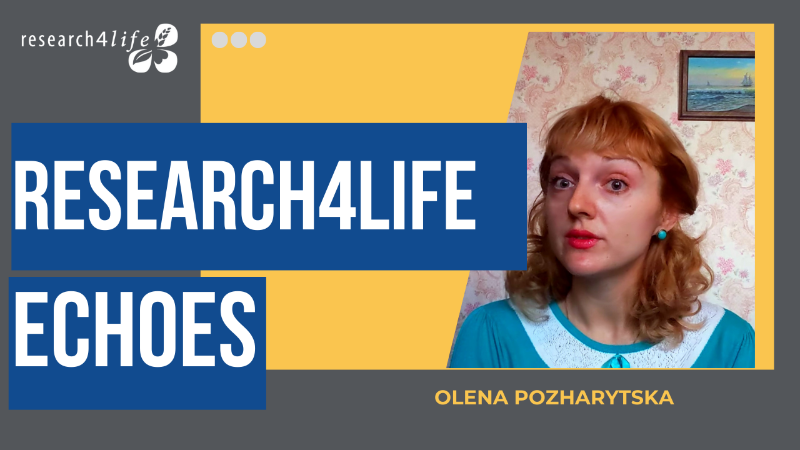
When the war in Ukraine began in February 2022, Research4Life’s publisher partners quickly recognized the disruption to essential scientific information access. To support Ukraine’s research community, they removed all fees for Research4Life access until the end of 2024, ensuring Ukrainian institutions could continue their scientific work during the crisis. Watch our video to hear from a Ukrainian user about the impact of this initiative

Relevant SDG’s

IPA SDG – Goal No 16 – Peace, justice and strong institutionsIPA SDG – Goal No 17 – Partnerships for the Goals

These Top Action Tips are a guide for academic authors on how to write plain language summaries or bullets tailored to professionals and practitioners, to support and promote necessary connections for sustainable development.

Relevant SDG’s

IPA SDG – Goal No 4 – Quality EducationIPA SDG – Goal No 17 – Partnerships for the Goals

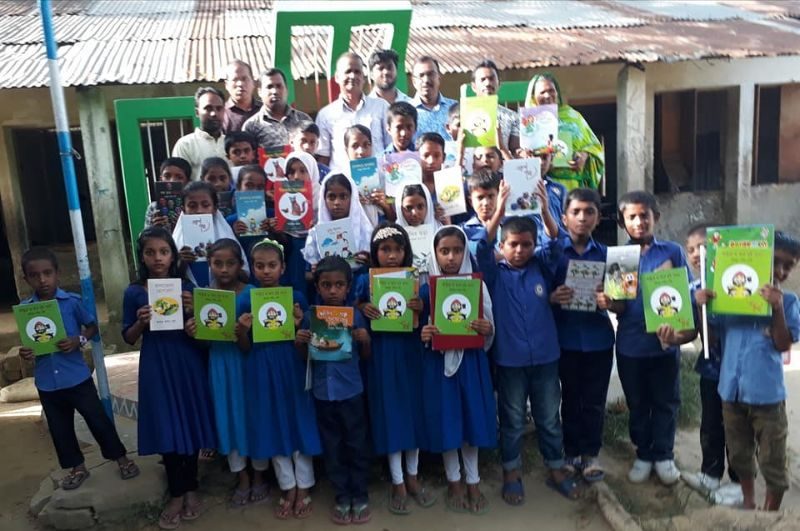
Annoy Prakash is regularly working to create reading societies in remote areas with the aim of developing a developed and conscious community. In this regard, our activities include distributing free books to school students by involving local libraries/schools (Our library is our regular partner.), organizing book reading competitions among students, and preparing ourselves to become educated and conscious citizens in the future.

Relevant SDG’s

IPA SDG – Goal No 4 – Quality Education

Since establishing its Environment & Sustainability (E&S) Committee in 2021, the European Association of Science Editors (EASE) has aligned its activities with key UN Sustainable Development Goals (SDGs). The poster “Greener Conferences: EASE-ing into Sustainability” outlines the Association’s practical measures for reducing environmental impact and enhancing equity at its events.

Relevant SDG’s

IPA SDG – Goal No 12 – Responsible consumption and productionIPA SDG – Goal No 13 – Climate action

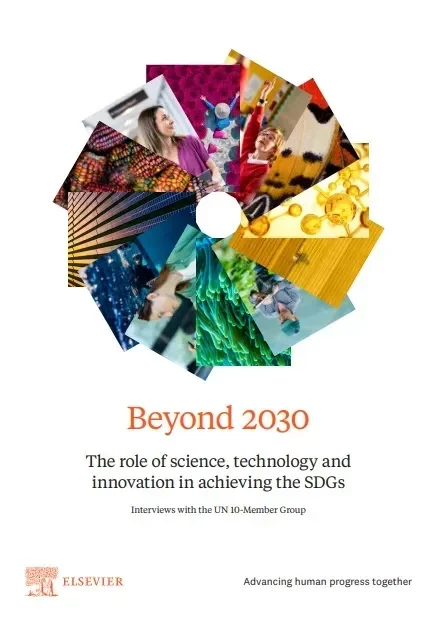
Beyond 2030 is based on high-level interviews with the United Nations 10-Member Group on STI for SDGs and reviews the framework’s achievements to date and provides critical guidance on how the SDGs can continue to foster global cooperation and support SDG-aligned research. It also presents a bold vision for how the SDG framework should evolve post-2030.

Relevant SDG’s

IPA SDG – Goal No 4 – Quality EducationIPA SDG – Goal No 17 – Partnerships for the Goals

The 18th EASE General Assembly and Conference “Editing in the age of misinformation” hybrid (in-person and online) conference was in Oslo on 14–16 May 2025 and featured dynamic content comprising sessions, pre-conference workshops, and speakers from around the world. This a format for future conferences, since it helped reduce travel-related emissions. Further, conference related activities involved planting 194 trees via the EASE Global Forest initiative instead of distributing delegate gifts,

Relevant SDG’s

IPA SDG – Goal No 12 – Responsible consumption and productionIPA SDG – Goal No 13 – Climate action

A new report from Springer Nature, in partnership with Overton, offers the most comprehensive picture yet of how academic research is influencing real-world policy tied to the SDGs. Published during COP30, the analysis is the first of its kind, drawing on more than 12 million policy documents. It finds that SDG policy documents seem to cite more research than non-SDG policy, signaling a connection between science and action on global challenges such as health, climate, and social development.

Relevant SDG’s

IPA SDG – Goal No 13 – Climate actionIPA SDG – Goal No 17 – Partnerships for the Goals

SDGenie (beta) is a new, prototype tool that explores how text, such as research abstracts, can be matched to specific targets set out in the Sustainable Development Goals (SDGs). SDGenie (beta) is free to use and offers researchers a new way to identify detailed targets – rather than goals alone – and, therefore, to make their work more relevant to the SDGs. There are 169 targets, which define actionable priorities. Together with indicators, they help to measure progress.

Relevant SDG’s

Zero hungerIPA SDG – Goal No 15 – Life on land

At Microbe 2025, a dedicated mini-symposium was held to discuss how microbiologists and microbes can further the SDGs. Expert panels held conversations about microbiology as a roadmap for progress, through the use of microbes to mitigate climate effects, generate renewable energy solutions, and advance the bioeconomy, and discussed the crucial role of education both as its own target and as a core part of achieving all of the goals.

Relevant SDG’s

IPA SDG – Goal No 4 – Quality EducationIPA SDG – Goal No 12 – Responsible consumption and production

To foster both quality education in college STEM classrooms with teaching assistants (TAs) as well as the career development and skills of TAs themselves, JMBE held a special call for papers on TA professional development, organized by senior editor Jeffrey Olimpo. The resulting article collection covers a variety of topics like TA program development, assessments, and mentoring, relevant in numerous educational communities and contexts globally, to ensure graduates have the knowledge they need.

Relevant SDG’s

IPA SDG – Goal No 4 – Quality Education

The Elsevier Foundation, in partnership with Elsevier and the World Patients Alliance (WPA), has launched a children’s book initiative aimed at embedding patient safety awareness from a young age. Recognizing that unsafe care contributes to millions of deaths and adverse outcomes globally—especially in low- and middle-income countries—this project produces freely accessible, multilingual books (print, audio, video) for children aged 6–12.

Relevant SDG’s

IPA SDG – Goal No 3 – Good Health and well-beingIPA SDG – Goal No 4 – Quality Education

Frontiers for Young Minds provides top-quality, free science to educate young people and engage them to protect tomorrow’s world. All articles are reviewed and edited by kids aged 8-15 to be fun to read for their peers.
This second volume showcases winners of the Frontiers Planet Prize 2024, working towards solutions to prevent us from crossing the nine planetary boundaries, for a healthy future on a healthy planet. From biodiversity drivers to freshwater conservation, let them motivate you!

Relevant SDG’s

IPA SDG – Goal No 4 – Quality EducationIPA SDG – Goal No 13 – Climate action